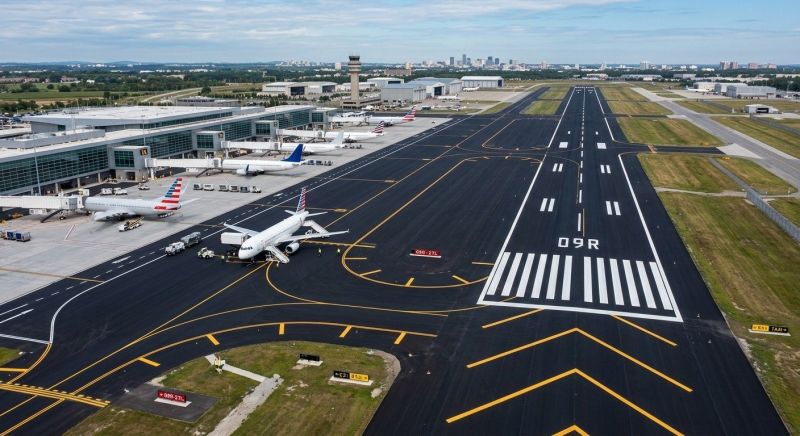
Airport Paving in Little Rock, AR
Airport paving services encompass the installation, repair, and maintenance of paved surfaces such as runways, taxiways, and aprons at airports or private airstrips. These projects often involve preparing the ground, laying asphalt or concrete, and ensuring proper drainage and surface durability to meet safety and operational standards. Homeowners or property owners with private airstrips or large residential properties may request airport paving to create or upgrade their own landing areas, ensuring smooth, reliable surfaces for aircraft access.
Before requesting airport paving services, property owners should consider the size and layout of the area to be paved, as well as the intended use and load requirements. It is also important to understand the condition of the existing surface, if any, and whether repairs or complete resurfacing are needed. Clarifying the desired surface type, drainage needs, and any local regulations or restrictions can help ensure the project meets safety standards and long-term performance expectations.
Many property owners in Little Rock, AR look into Airport Paving for repairs, replacements, upgrades, and appearance-related improvements.

Airport Paving Services
Examples of airport paving work property owners may explore in little rock, ar.
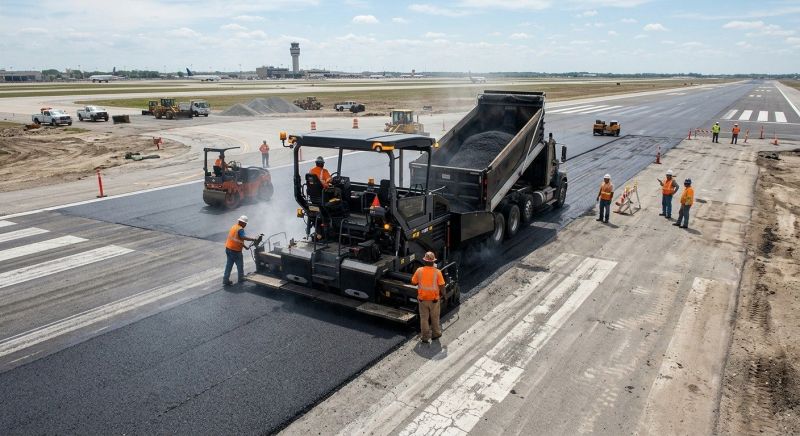
Airport Paving Updates
Common ways people refresh, improve, or restore airport paving features in little rock, ar.
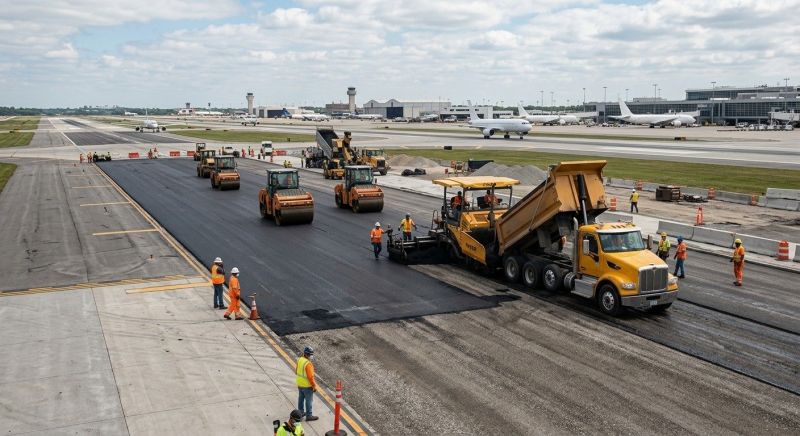
Airport Paving Options
Different styles, layouts, and finishes people consider for airport paving in little rock, ar.
Airport Paving in Little Rock, AR

Airport paving services encompass the installation, repair, and maintenance of paved surfaces such as runways, taxiways, and aprons at airports or private airstrips. These projects often involve preparing the ground, laying asphalt or concrete, and ensuring proper drainage and surface durability to meet safety and operational standards. Homeowners or property owners with private airstrips or large residential properties may request airport paving to create or upgrade their own landing areas, ensuring smooth, reliable surfaces for aircraft access.
Before requesting airport paving services, property owners should consider the size and layout of the area to be paved, as well as the intended use and load requirements. It is also important to understand the condition of the existing surface, if any, and whether repairs or complete resurfacing are needed. Clarifying the desired surface type, drainage needs, and any local regulations or restrictions can help ensure the project meets safety standards and long-term performance expectations.
Many property owners in Little Rock, AR look into Airport Paving for repairs, replacements, upgrades, and appearance-related improvements.
Common Airport Paving Jobs
Airport paving - provides durable surfaces for airport runways and taxiways.
Parking lot paving - creates smooth, reliable surfaces for airport parking areas.
Runway resurfacing - restores safety and functionality to aging runway surfaces.
Taxiway construction - ensures efficient movement of aircraft between runways and terminals.
Seal coating services - protects paved surfaces from weather and wear over time.
Pavement maintenance - extends the lifespan of airport pavements through regular upkeep.

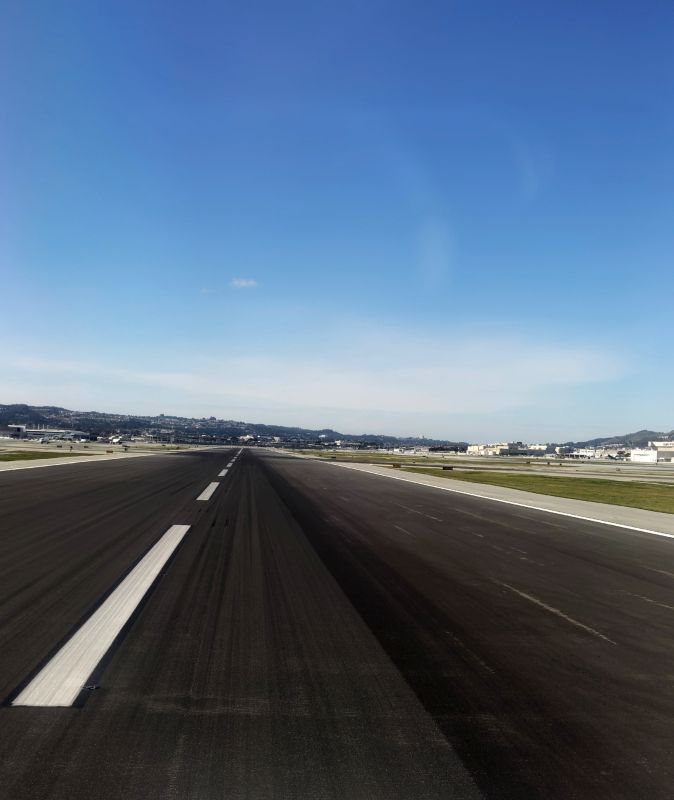
Airport Paving Questions
What types of surfaces can be paved for airports? Airport paving services typically accommodate runways, taxiways, aprons, and parking areas to ensure safe aircraft movement and parking.
How is the pavement prepared before installation? The process involves grading, sub-base preparation, and compaction to create a stable foundation for the pavement.
What materials are commonly used in airport paving? Asphalt and concrete are the primary materials used for durability and performance in airport environments.
What maintenance is needed after airport paving? Regular inspections, crack sealing, and surface repairs help maintain pavement integrity and safety over time.
Request Airport Paving in Little Rock, AR
Use the quote form on this page to share the basics of your project and request more information for the type of work you need.